 Argus
Niches · Faceless YouTube
Faceless YouTube Niches for 2026: 30 Ideas and How to Check Demand
A good faceless YouTube niche isn’t “whatever’s trending right now” — it’s a topic with demand, material for the visuals, sources for the facts and hundreds of stories to tell. Below are 30 niches by group, with formats and pitfalls, plus a way to check demand in 15 minutes.
In short. For English-speaking audiences, documentary niches work best: history mysteries, disasters and engineering failures, heists and scams, space, “how it works” and brand stories. The fastest growth right now is in animated stories — for example, “survival rules.” Before you start, check demand: the niche should have videos from the past year with 3+ times more views than their channel has subscribers.
How to choose a niche: five questions
- Are people watching the topic now? Look for videos from the past 12 months with more views than their channel has subscribers. If small channels have them, YouTube is recommending the topic to new viewers.
- What will you show? On a faceless channel, the visuals are photos, documents, maps, diagrams and animation. You need freely licensed material or your own graphics.
- Where will the facts come from? Articles, books, reports, archives. A niche that runs on rumors quickly runs into misinformation risk.
- Is there enough for 100 videos? Try writing down 50 topics right now. If you can’t, the niche is too narrow.
- How much do ads pay? According to AIR Media-Tech (300 channels, May 2025 – May 2026), the median RPM is $10.22 per 1,000 views for education and science, $2.43 for entertainment and $0.33 for kids’ content. More in How Much YouTube Pays.
History and mysteries
The most reliable group for documentary channels: evergreen demand, lots of public-domain archive photos and clear sources.
| Niche and example topic | Format | What to show | Watch out for |
|---|---|---|---|
| 1. History mysteries — the Tunguska event, the Antikythera mechanism | documentary, 12–20 min | archive photos, maps, diagrams | keep facts apart from theories |
| 2. How people lived — a day in the life of a 14th-century peasant | 12–15 min | engravings, museum photos | myths about the “filthy Middle Ages” |
| 3. Every rank — life at every level of the Roman army | 15–20 min, one chapter per rank | engravings, reconstructions | sources for every rank |
| 4. Forgotten disasters — Boston’s Great Molasses Flood, 1919 | 15–25 min | newspapers of the day, diagrams | respect for the victims |
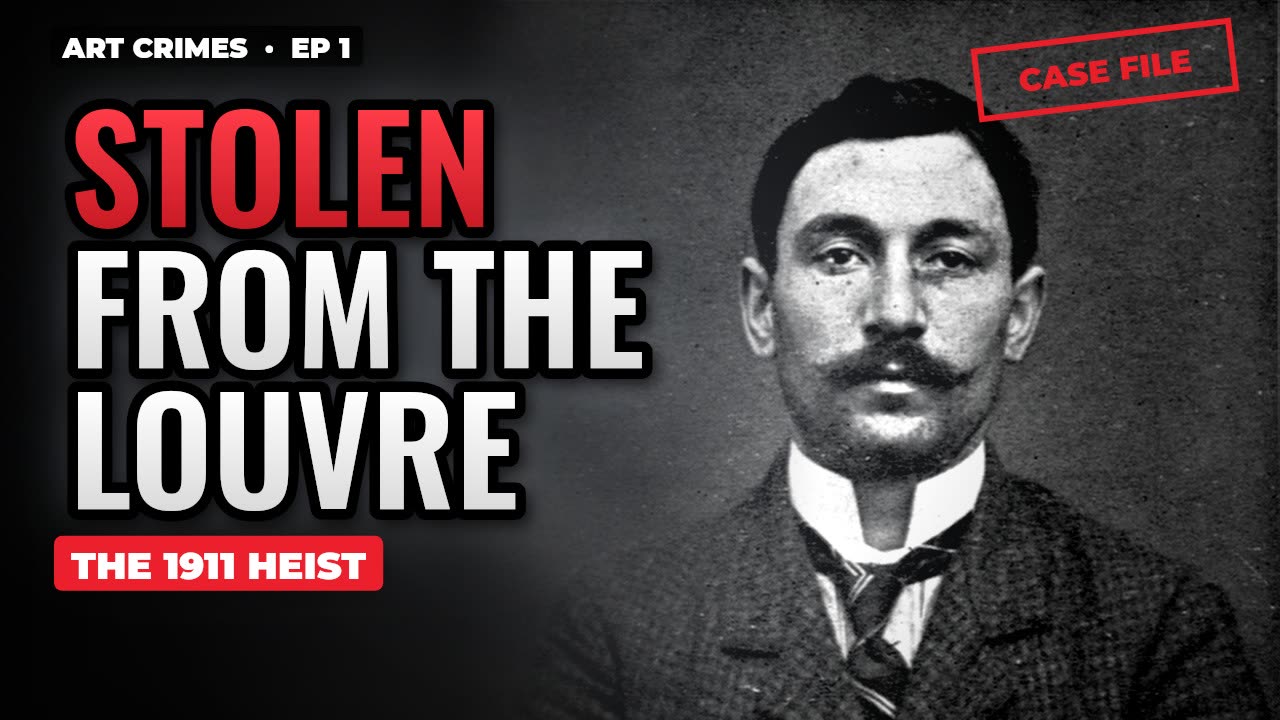
| 5. Great heists — the theft of the Mona Lisa, 1911 | 15–20 min | archive photos, reconstructions | solved cases only |
| 6. Scams and con artists — the man who “sold” the Eiffel Tower | 12–20 min | newspapers, documents | don’t turn it into a how-to |
| 7. Spies and operations — declassified intelligence operations | 15–25 min | declassified documents | stay away from current politics |
| 8. Expeditions and survival — polar expeditions | 20–25 min | expedition photos, route maps | double-check the numbers |
| 9. True crime — solved cases with a conviction | 15–25 min | reconstructions without gore | never call anyone guilty who wasn’t convicted |
Science and engineering
| Niche and example topic | Format | What to show | Watch out for |
|---|---|---|---|
| 10. Space: one question — why a day on Venus is longer than its year | 15–24 min | NASA imagery, orbit diagrams | keep hypotheses apart from facts |
| 11. How it works — an engine, a canal lock, a clockwork mechanism | 10–15 min | diagrams, cutaway machines | get the details right |
| 12. Engineering failures — Apollo 13, bridge collapses | 15–20 min | blueprints, investigation reports | stick to the official findings |
| 13. Science myths — “do we only use 10% of our brain?” | 8–15 min | graphics, studies | no medical advice |
| 14. Nature’s records — the loudest sound in history | 10–15 min | photos, maps, scales | units of measurement |
| 15. History of medicine — how anesthesia came about | 12–18 min | engravings, documents | history only, no advice |
Business and tech
| Niche and example topic | Format | What to show | Watch out for |
|---|---|---|---|
| 16. Brand stories — Nokia: from paper to phones | 11–14 min | charts, archive footage, “A vs. B” | logos only as a reference |
| 17. Rise and fall of companies — why a market giant disappeared | 12–18 min | reports, charts | no investment advice |
| 18. History of inventions — how the refrigerator was invented | 10–15 min | patents, diagrams | disputed credit |
| 19. Tech in plain English — how GPS works | 8–12 min | animation, diagrams | avoid topics that date fast |
| 20. Everyday economics — why movie theater popcorn costs so much | 8–12 min | charts, numbers | sources for every number |
Myths, culture and fictional worlds
| Niche and example topic | Format | What to show | Watch out for |
|---|---|---|---|
| 21. Mythology — Ragnarök, the end of the gods | 12–20 min | 19th-century engravings, maps | name the source of the myth |
| 22. Urban legends and folklore | 10–15 min | graphics, maps | a legend isn’t a fact |
| 23. Game and book lore — the history of a fictional universe | 12–25 min | your own graphics, review with commentary | don’t lift game or movie footage wholesale |
| 24. Words and languages — where a word comes from | 8–12 min | maps, documents | etymology myths |
Animation and engagement formats
These formats don’t need archives: animation provides the visuals, while the story and the interactivity keep viewers watching.
| Niche and example topic | Format | What to show | Watch out for |
|---|---|---|---|
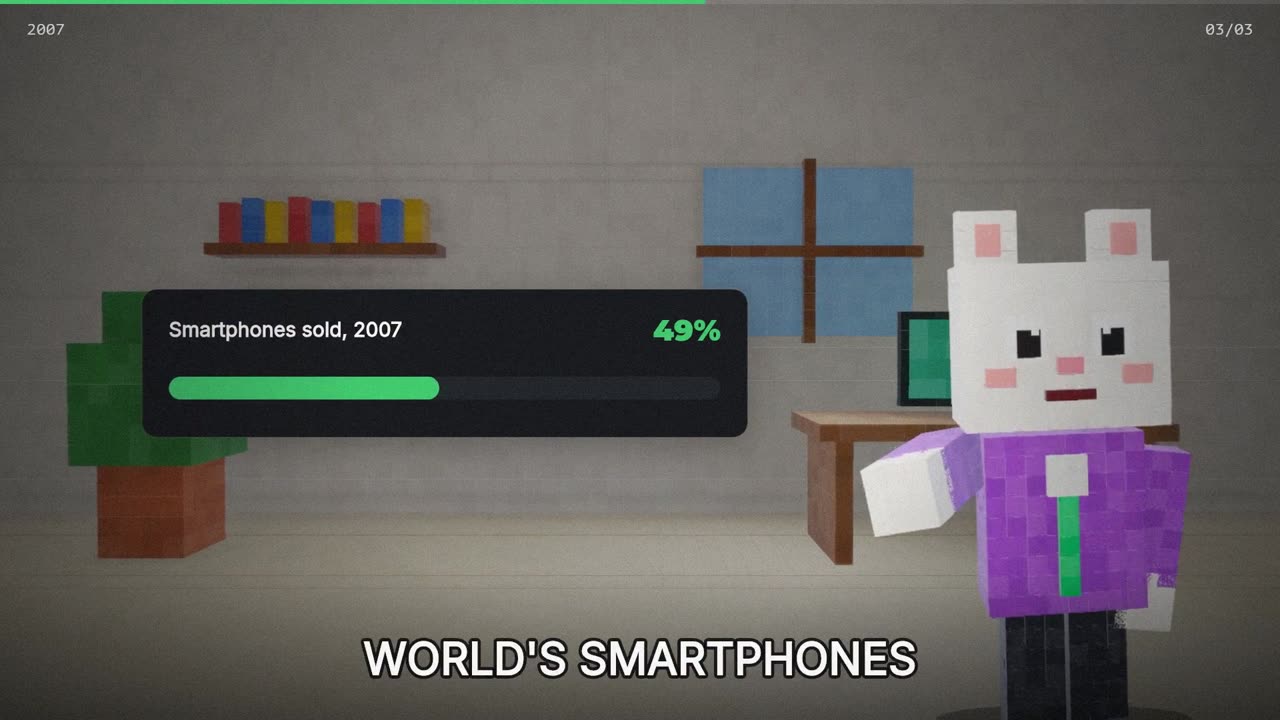
| 25. “Survival rules” — 13 rules for the night shift at a gas station | animation, 12–18 min | flat characters, stamps, chapters by night | your own plot, not a retelling of someone else’s |
| 26. What would you do — stuck in a blizzard: walk or wait? | 8–12 min | “A or B” forks, a host | back survival tips with sources |
| 27. History in N minutes — the Roman Empire in 10 minutes | 10–12 min | timeline, maps | don’t simplify to the point of error |
| 28. Top N — 10 of the strangest laws | 10–15 min | cards, counters | check every entry |
| 29. Event breakdowns — an earthquake, using USGS data | 8–12 min | maps, official documents | no politics or war; freely licensed footage only |
| 30. Challenge series — $100 → $1,000: day one | 8–12 min, episodes | a host, voting in the comments | clearly label fiction as fiction |

How to check demand in 15 minutes
- Search YouTube with filters. Type the topic in your audience’s language, set the “This year” filter and open 10–15 channels from the results.
- Find the outliers. A video with 3 or more times as many views as its channel has subscribers. Three to five such videos from different channels within a year is a good sign.
- Look at small channels. If only giants with millions of subscribers are growing in the niche, a newcomer will struggle. If channels with 5,000–50,000 subscribers are breaking out, there’s room.
- Read the comments. Are people asking for “more” and “part 2”? Are they arguing? That’s a sign the topic hooks people.
- Check Google Trends over 5 years. Interest should be steady or growing, not a single spike.
- Write down 50 topics. If you come up with fewer than 30 in 10 minutes, the niche is narrow.
In Argus Studio, the 🔍 Find a niche button does this for you: it looks at what’s popular on YouTube right now and, for every niche it suggests, shows videos from the past year with 3+ times more views than their channel has subscribers.
Niches to avoid
- Medical and financial advice. Strict rules from YouTube and advertisers, plus a high risk of limited ads and complaints.
- Politics, elections, wars. Ads on these videos are often limited, and factual mistakes are costly.
- Kids’ content. Videos set as “made for kids” lose comments and personalized ads; the median RPM is about $0.33.
- Clips and reactions without your own commentary. That’s “reused content” — it won’t get monetized.
- Quotes over stock footage. A textbook case of templated content that YouTube won’t monetize.
- Conspiracy theories presented as fact. They break the misinformation rules.
How to make a niche your own
When hundreds of channels share a niche, the angle wins, not the topic. Take a niche and change one axis:
- era or region: “disasters” → “forgotten 19th-century disasters in Eastern Europe”;
- delivery: “space” → “space: one question, one film”;
- protagonist: “heists” → “heists through the investigator’s eyes”;
- tone: calm documentary, investigation, irony;
- format: the same topic as a hosted explainer or an animation.
The free niche finder can suggest an angle too: write a topic or what you are into, and it gives three specific niches, from the obvious to the unexpected, with five first video ideas each. In Argus Studio, a custom niche has a ✨ Make it unique button that suggests an angle unlike other users’ niches, and every channel gets its own signature style: frame layout, thumbnails, voice and script structure.
Frequently asked questions
What’s the most profitable niche?
By earnings per 1,000 views, education, science, technology and finance usually come out on top. But finance is an advice niche with heavy competition and strict rules. For a faceless channel, documentary niches are more practical: high RPM with English-speaking audiences and plenty of free archives.
Which niches work best for a US audience?
The same ones as above, in English for viewers in the US, Canada, the UK and Australia: history mysteries, disasters, heists, space, brand stories, “survival rules.” How a channel like that works — in our guide to YouTube automation.
Can I change a channel’s niche later?
You can, but subscribers and recommendations are tied to the old topic — views usually drop. If a niche didn’t take off, it’s often easier to start a new channel.
How many channels should I run at once?
Start with 1–3 channels in different niches; after 2–3 months, keep what’s growing and scale it. What matters is that the channels aren’t copies of each other.
Do these niches work for Shorts?
Yes — from every long video you can make 1–3 Shorts out of its strongest moment. But Shorts pay dozens of times less, so the main income comes from long videos.
You bring the niche — the app makes the videos
In Argus Studio you can pick a ready-made niche, describe your own in words or paste a link to a channel you’d like to model. The app picks the style, voice and format, comes up with topics within the niche and makes complete videos — $0.85–1 per 15-minute documentary.